Watchmora / Movie and TV discovery platform / Live
Watchmora turns a large catalogue into a more personal way to find what to watch.
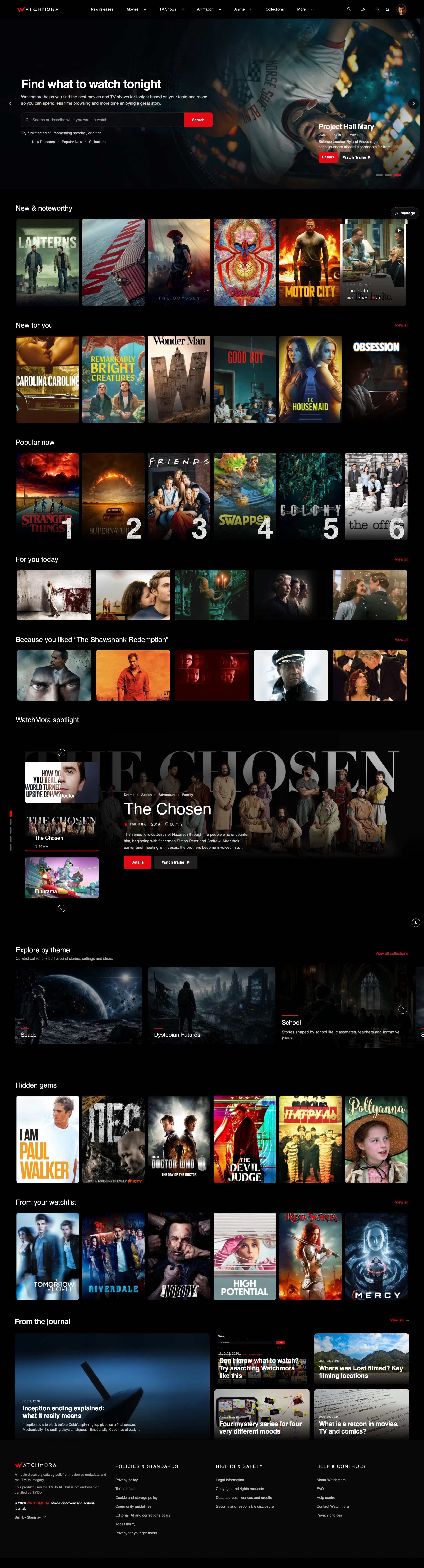
Watchmora is an owned movie and television discovery product. It does not stream titles; it helps people search, compare, save and discover through structured pages, recommendations, collections, taste signals and where-to-watch links.
- Role
- Product direction, experience design and Laravel development
- Platform
- Responsive web platform
- Product type
- Movie and TV discovery
- Status
- Live owned product
Catalogue · Smart search · Recommendations · Taste profile · Collections · Localisation · Editorial content · Data automation
01 / The discovery problem
More titles do not automatically create better discovery.
Large catalogues are easy to fill with posters and difficult to make useful. People arrive with incomplete intent: a mood, a memory, a genre combination, a person, a franchise or a question about what comes next.
Watchmora is designed to turn those incomplete signals into useful paths without pretending to know more about the user than the available evidence supports.
02 / The product approach
Search, recommendation and editorial context should support different kinds of decisions.
- 01
Search
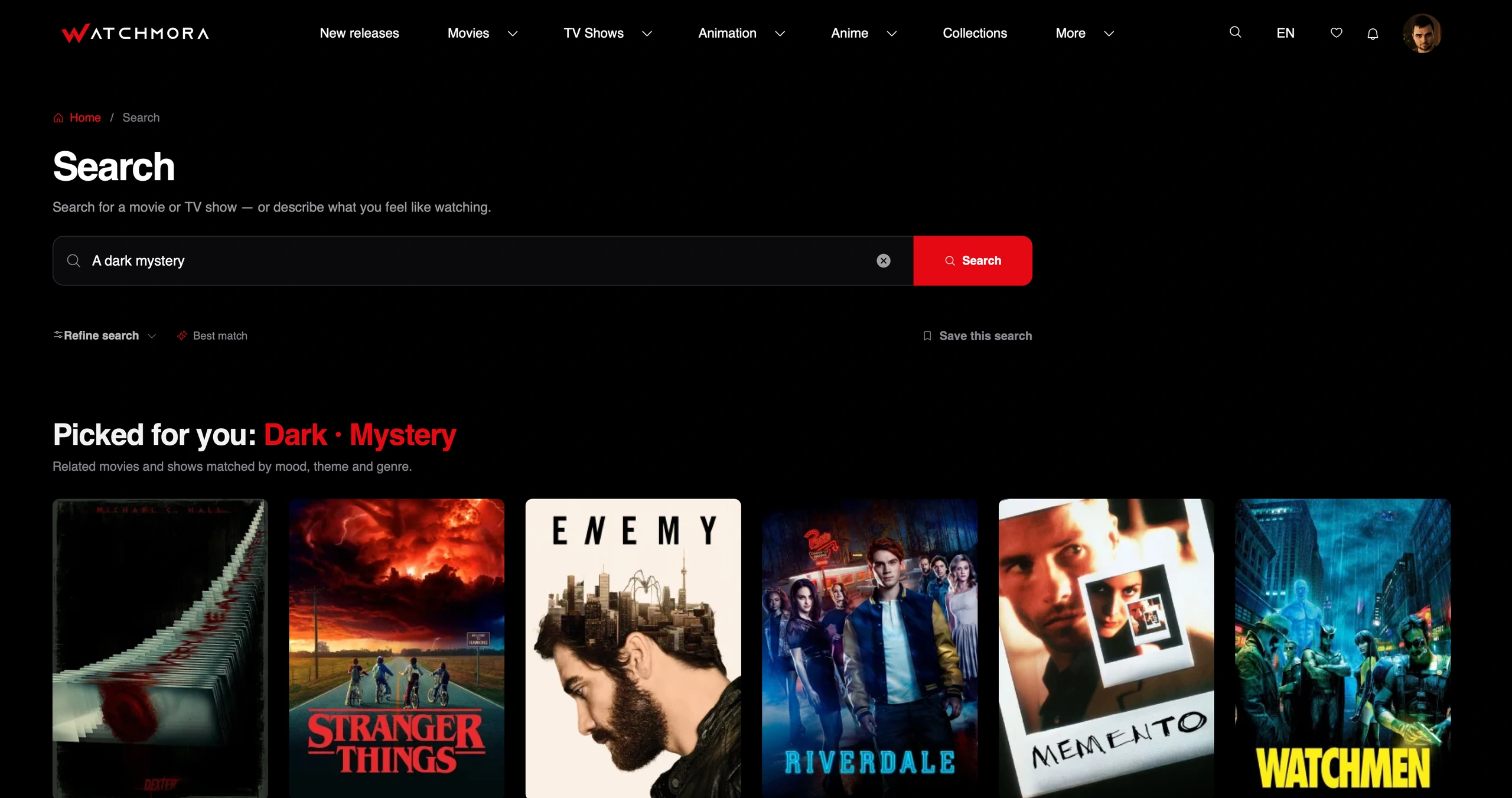
Help people move from a title, person, genre or natural-language idea to a relevant set of results.
- 02
Recommendations
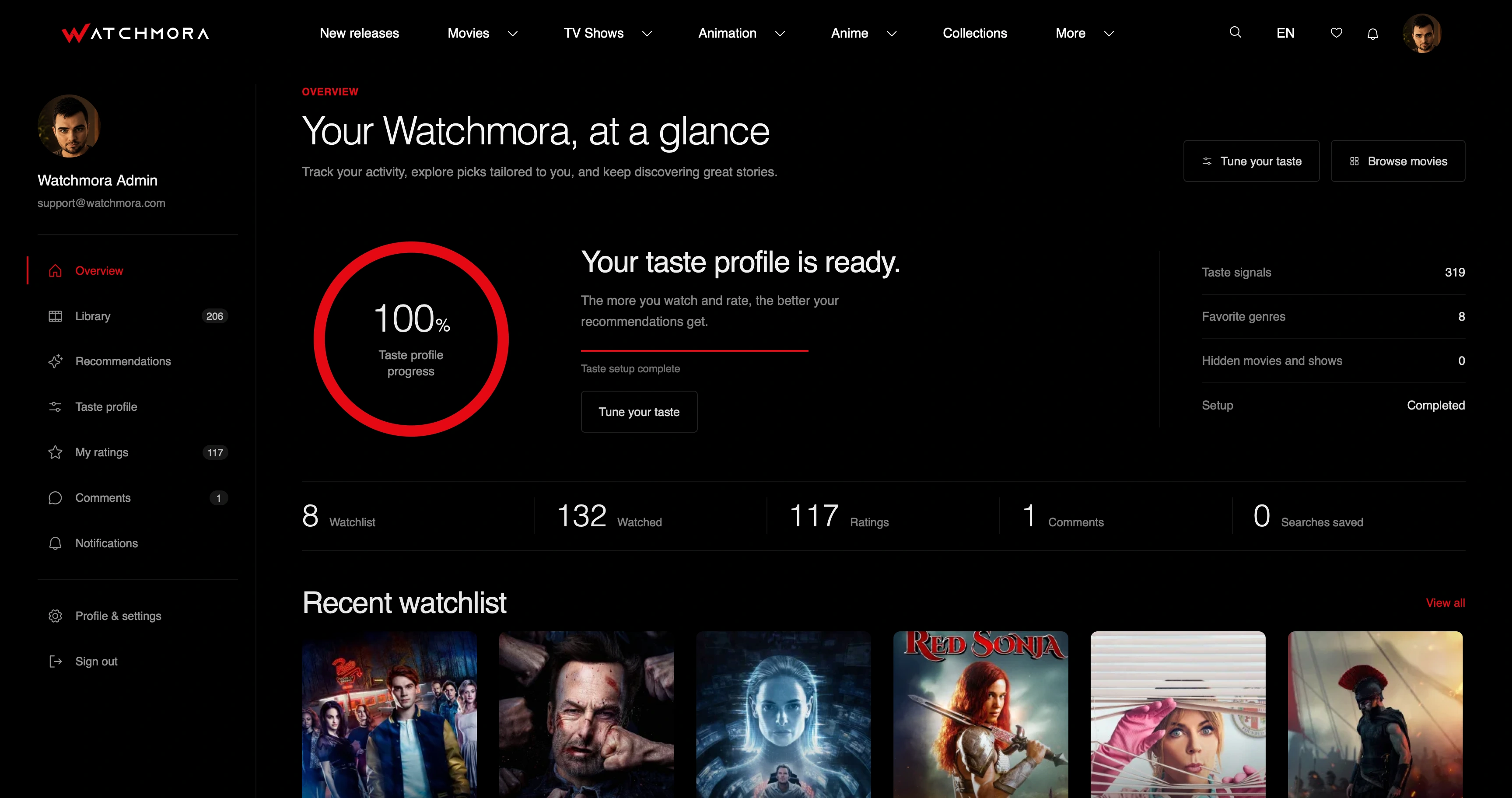
Use ratings, likes, exclusions and title relationships to produce explainable personal suggestions.
- 03
Taste profile
Collect useful preference evidence without forcing a long onboarding questionnaire.
- 04
Collections and editorial content
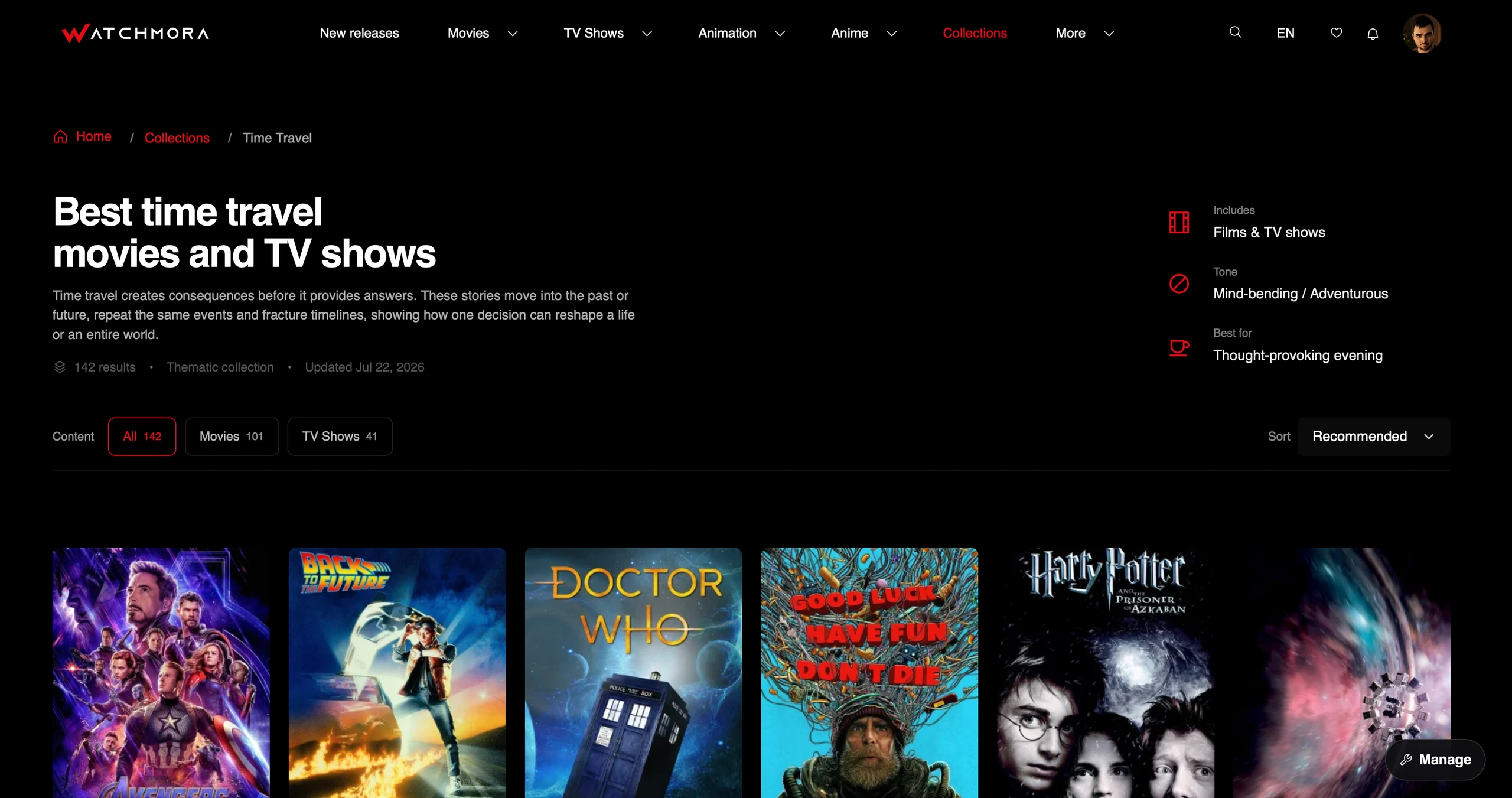
Create human-curated paths through themes, formats, franchises and practical viewing questions.
- 05
Where to watch
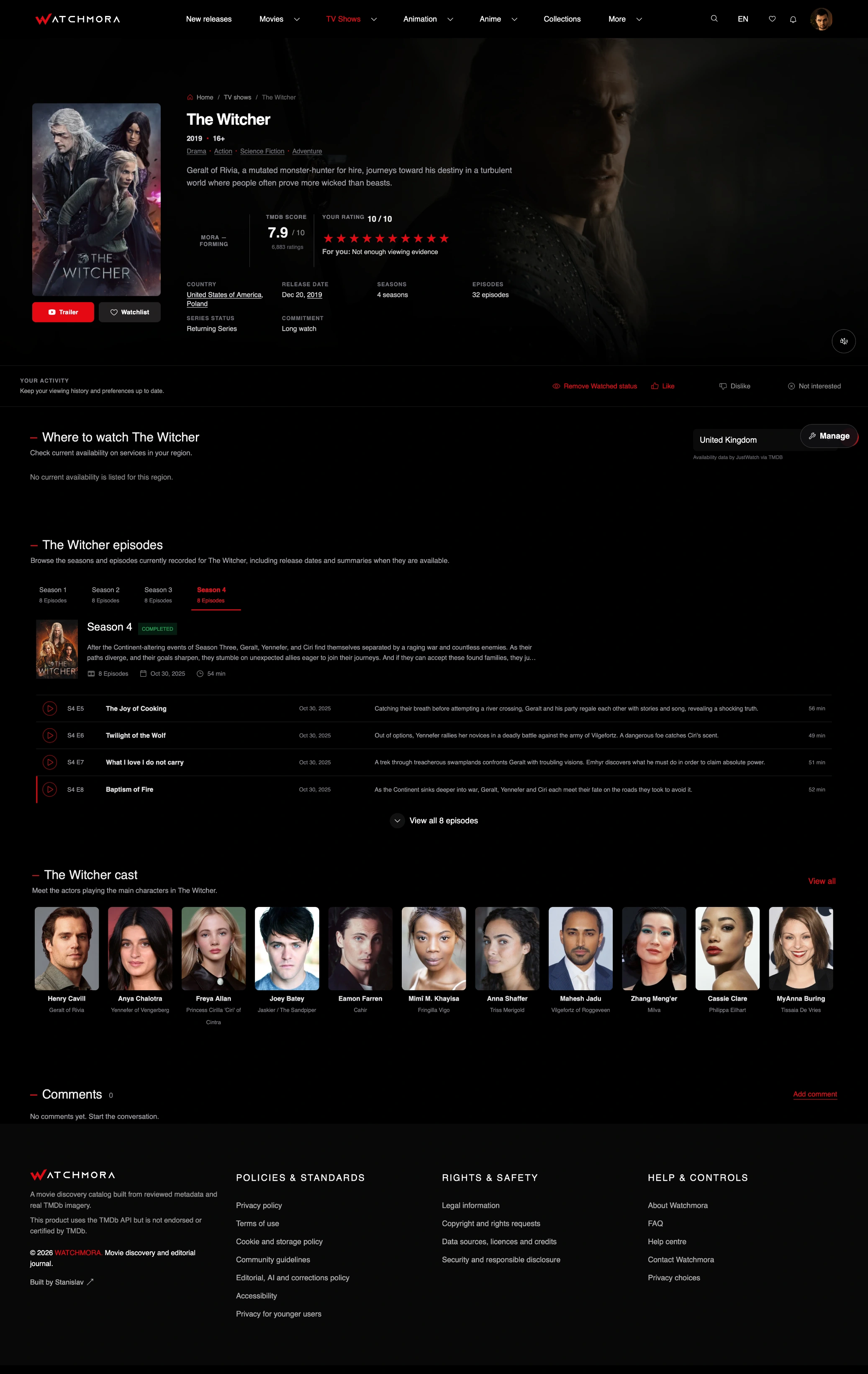
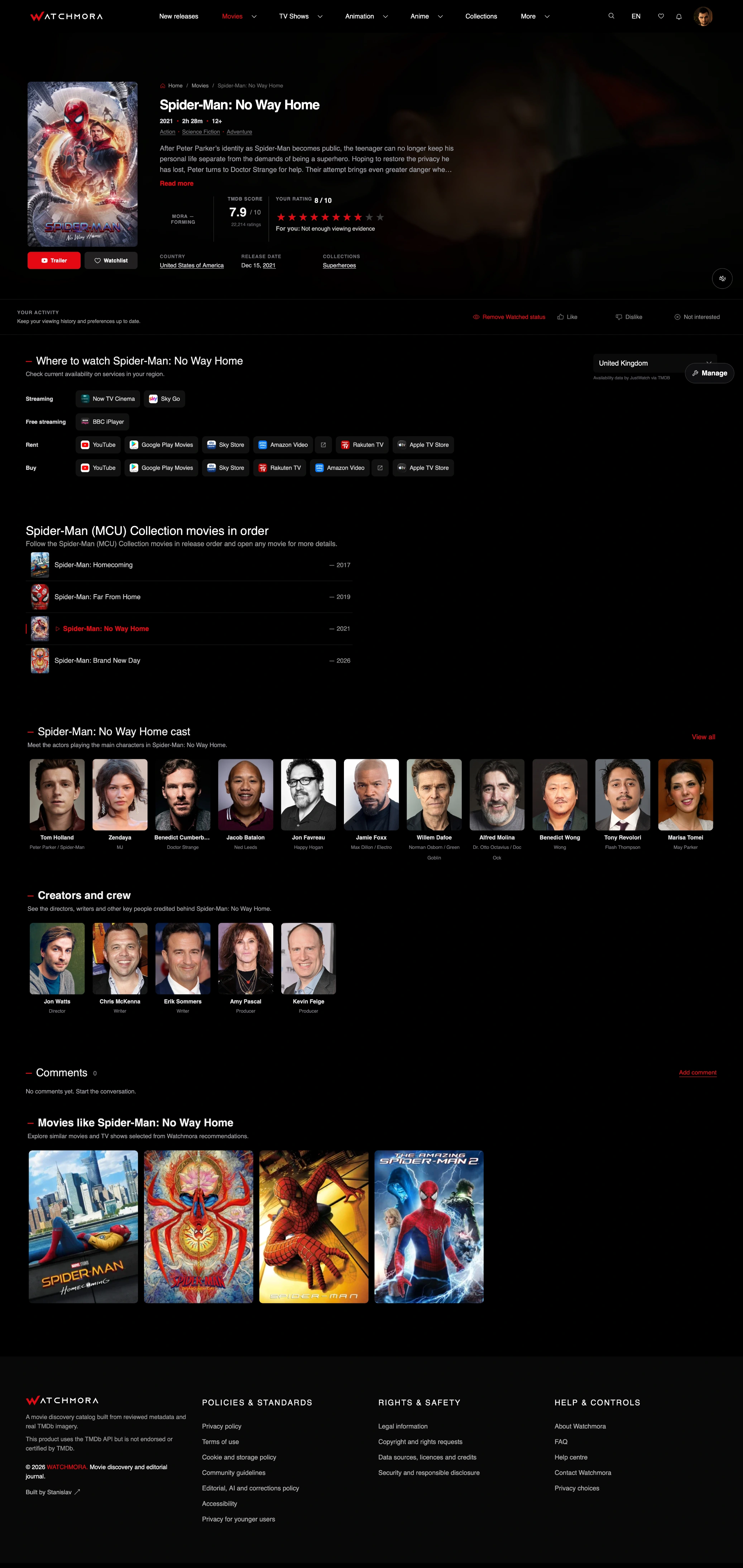
Link to legitimate provider destinations rather than pretending the platform is a streaming service.
03 / Product system
The visible catalogue depends on a large amount of controlled background work.
Watchmora combines title, person, credit, genre, collection, availability and editorial data. Search and recommendation quality depend on enrichment, completeness, localisation and rules that prevent low-confidence data from becoming a confident public claim.
- Title and person catalogue
- Search intent and result routing
- Ratings, likes and taste evidence
- Recommendation pipelines
- Collections and editorial publishing
- English and Ukrainian localisation
- Where-to-watch links
- Automated imports, enrichment and scheduled checks
04 / Design and technical approach
Discovery works when data quality and interface hierarchy improve each other.
The Laravel application coordinates catalogue pages, search, recommendation logic, localisation, editorial content, account preferences and background data workflows.
Public pages need useful fallback behaviour when optional data is missing. Recommendation labels need evidence. Search needs to route broad and specific intent without turning every query into the same result grid.
The design therefore treats uncertainty, empty states and supporting context as part of the product rather than hiding them behind decorative cards.
05 / Selected screens
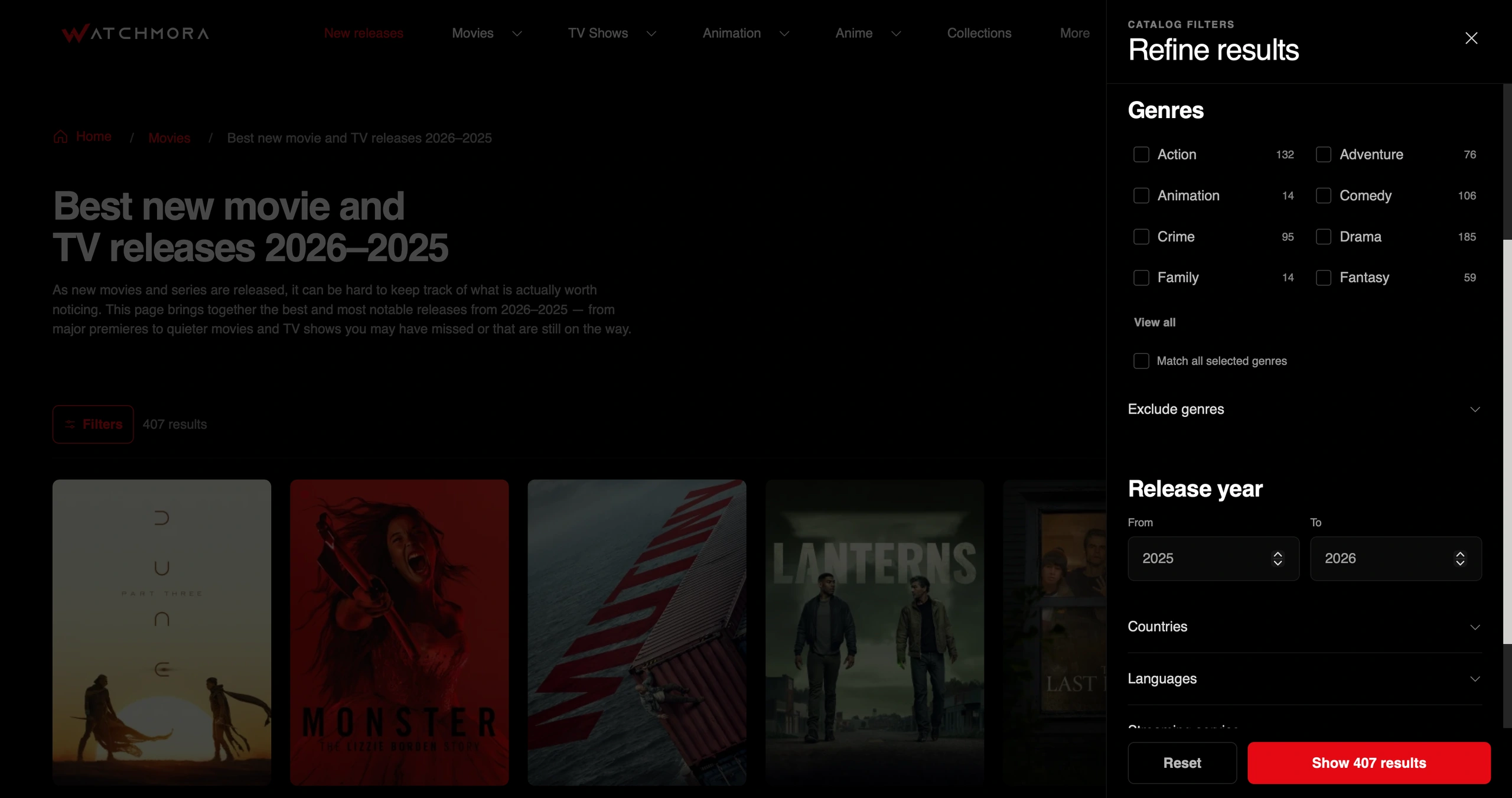
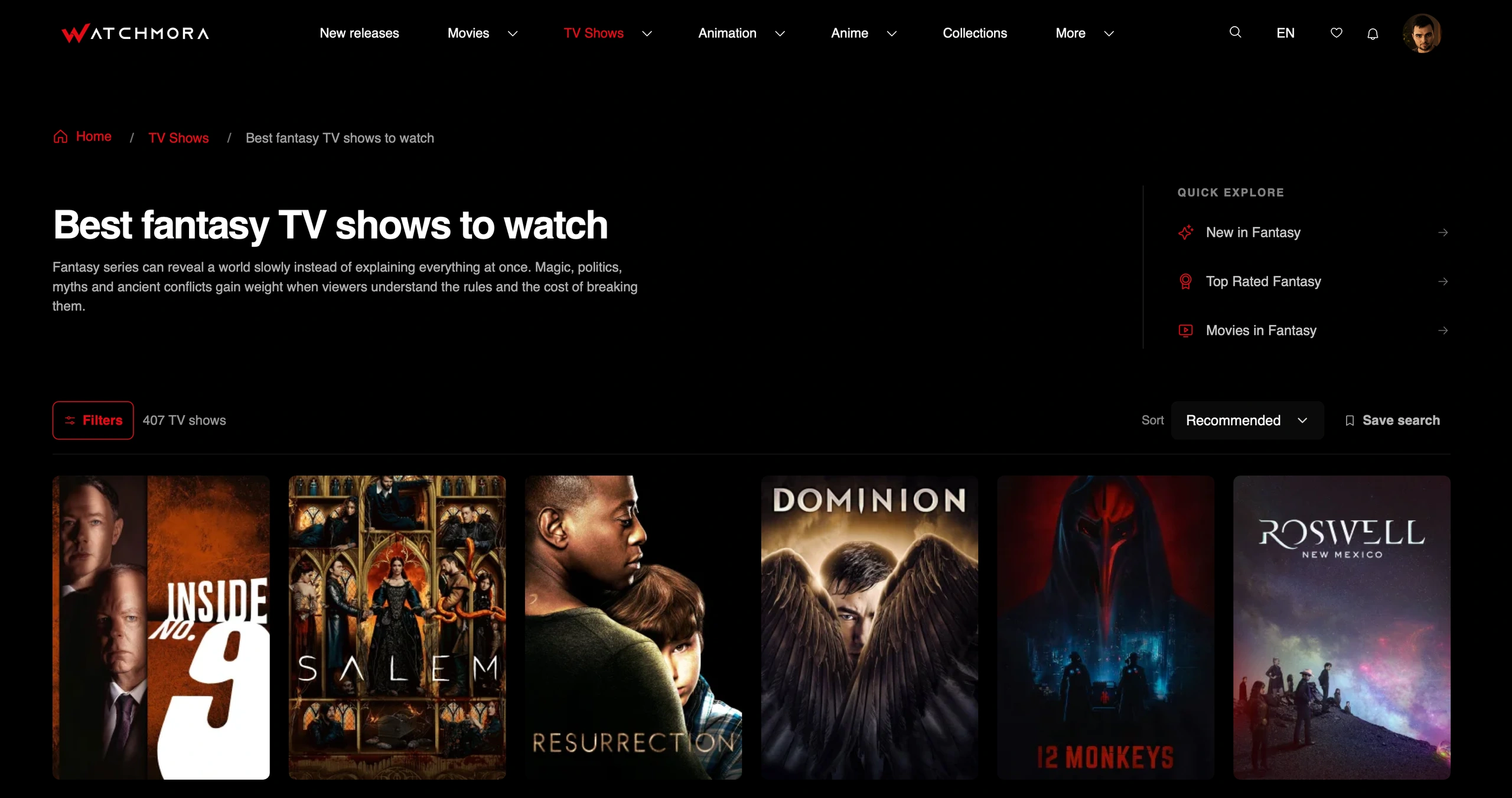
Discovery surfaces with different jobs.
18 screens
Browse all 18 screens+
Desktop
13 screensDiscovery
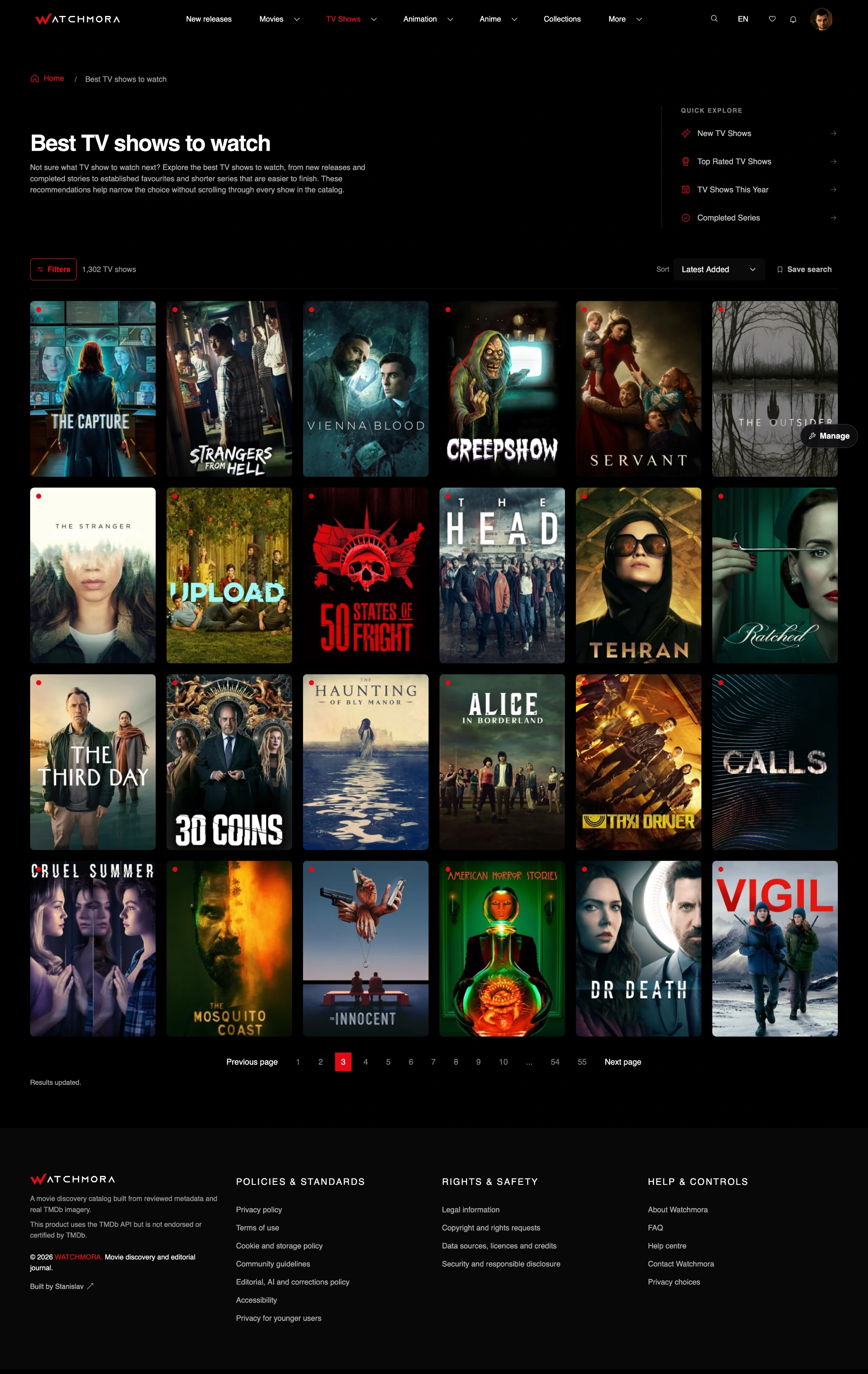
Personalisation
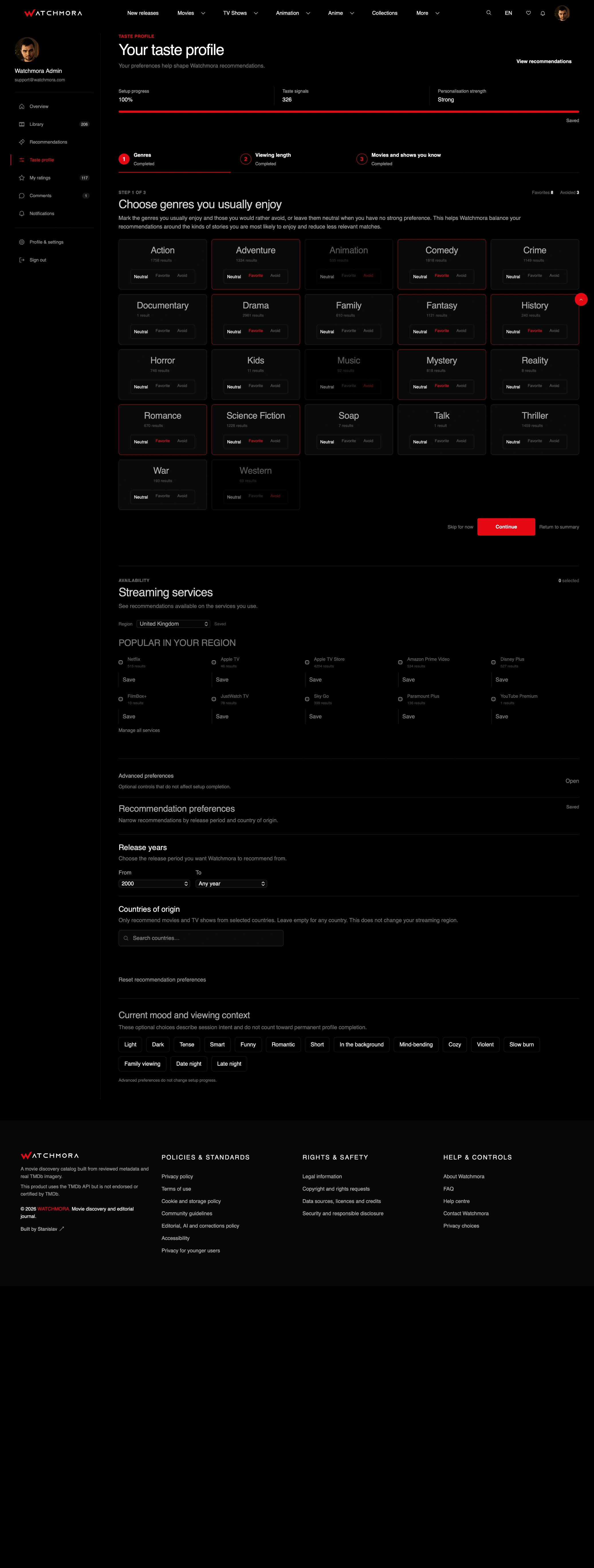
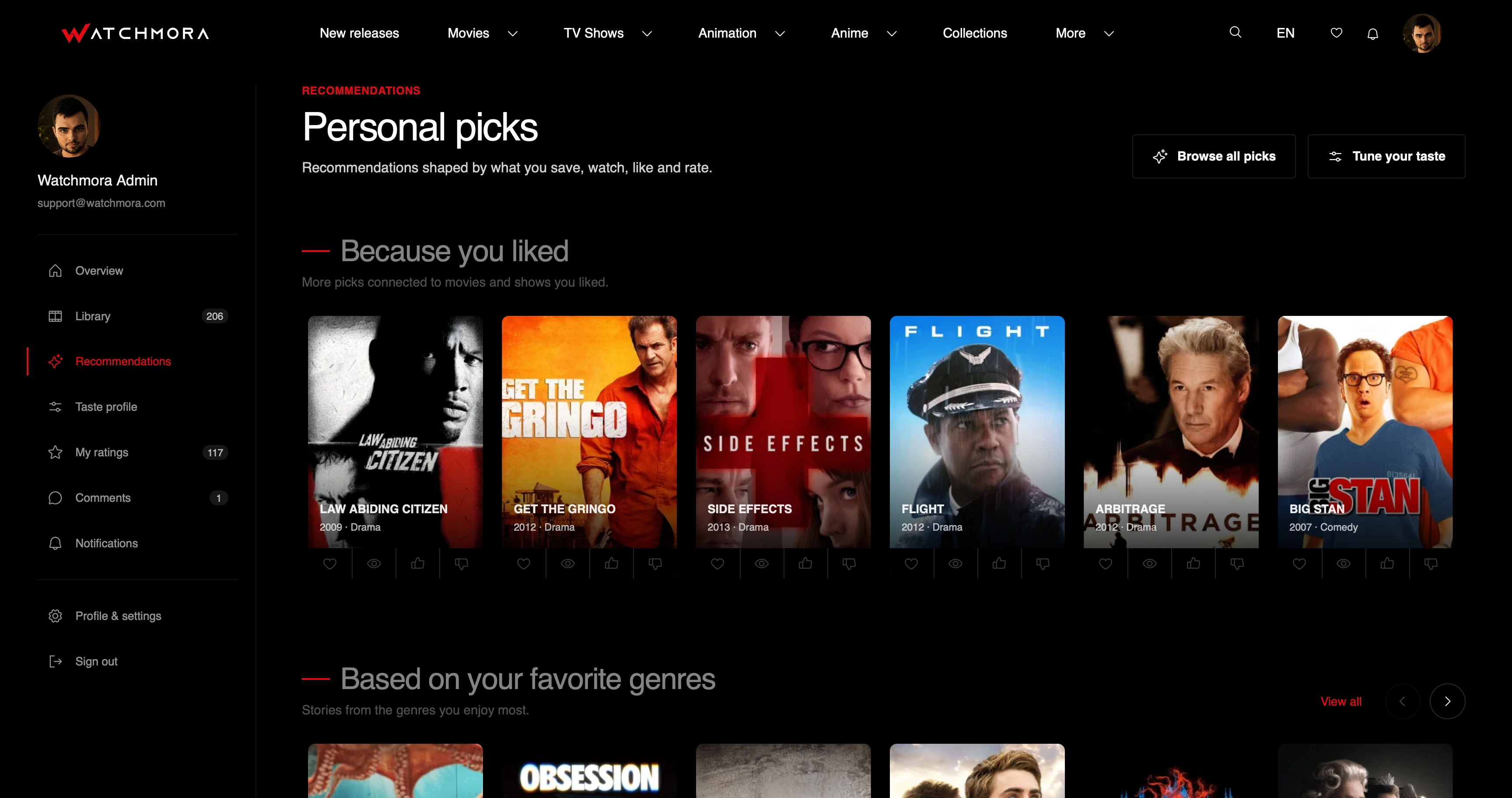
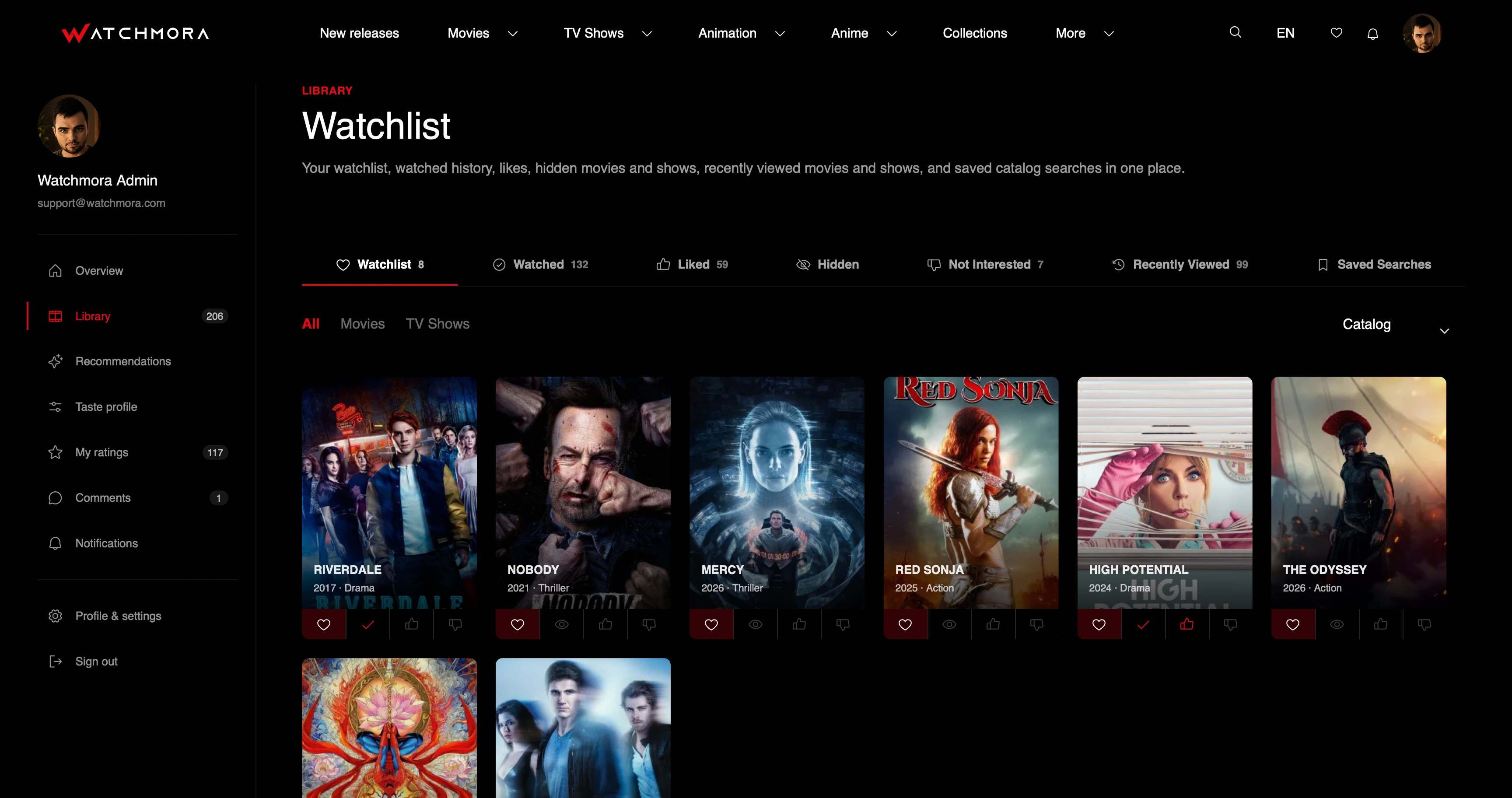
Title pages
Collections
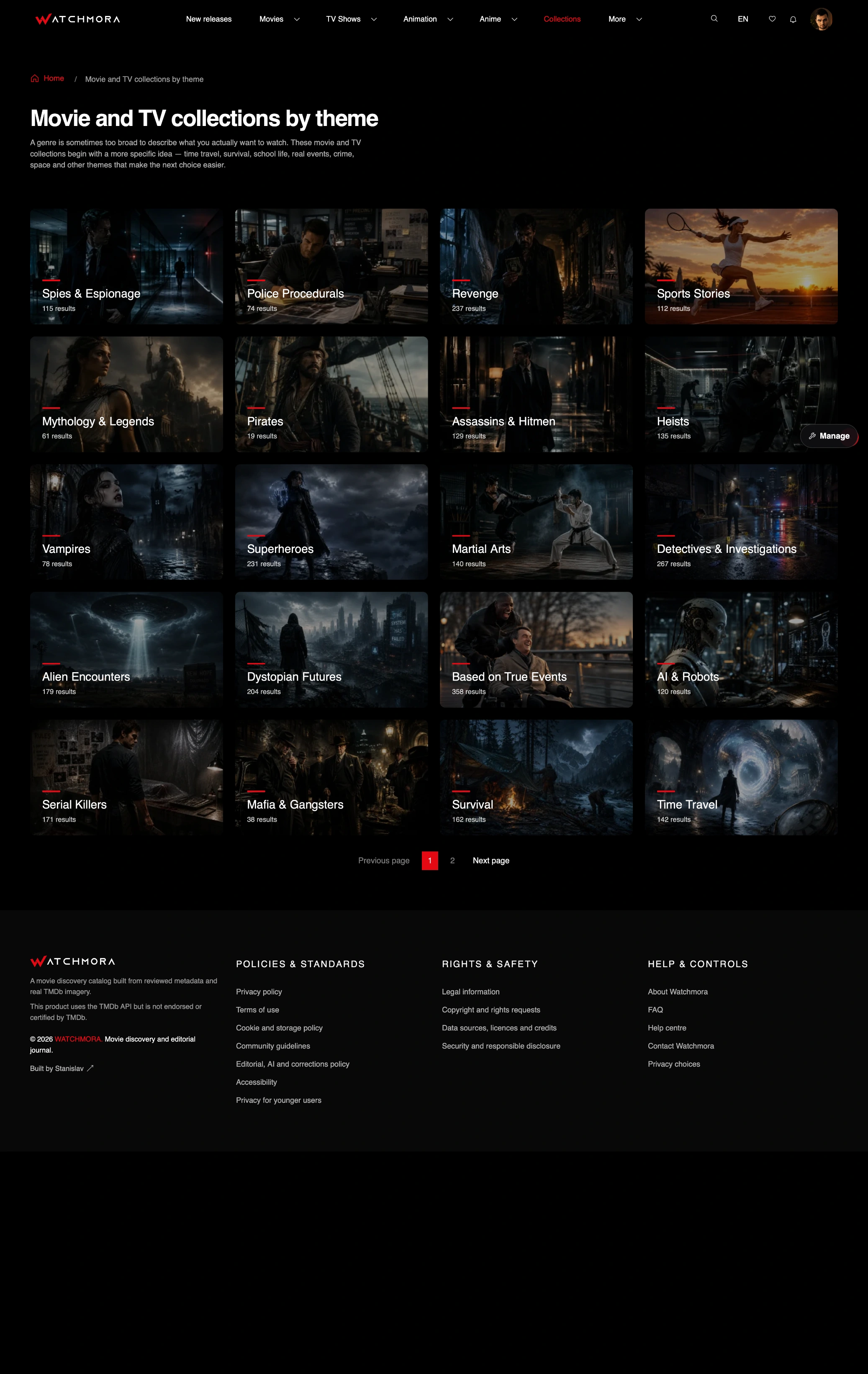
Mobile
5 screensDiscovery
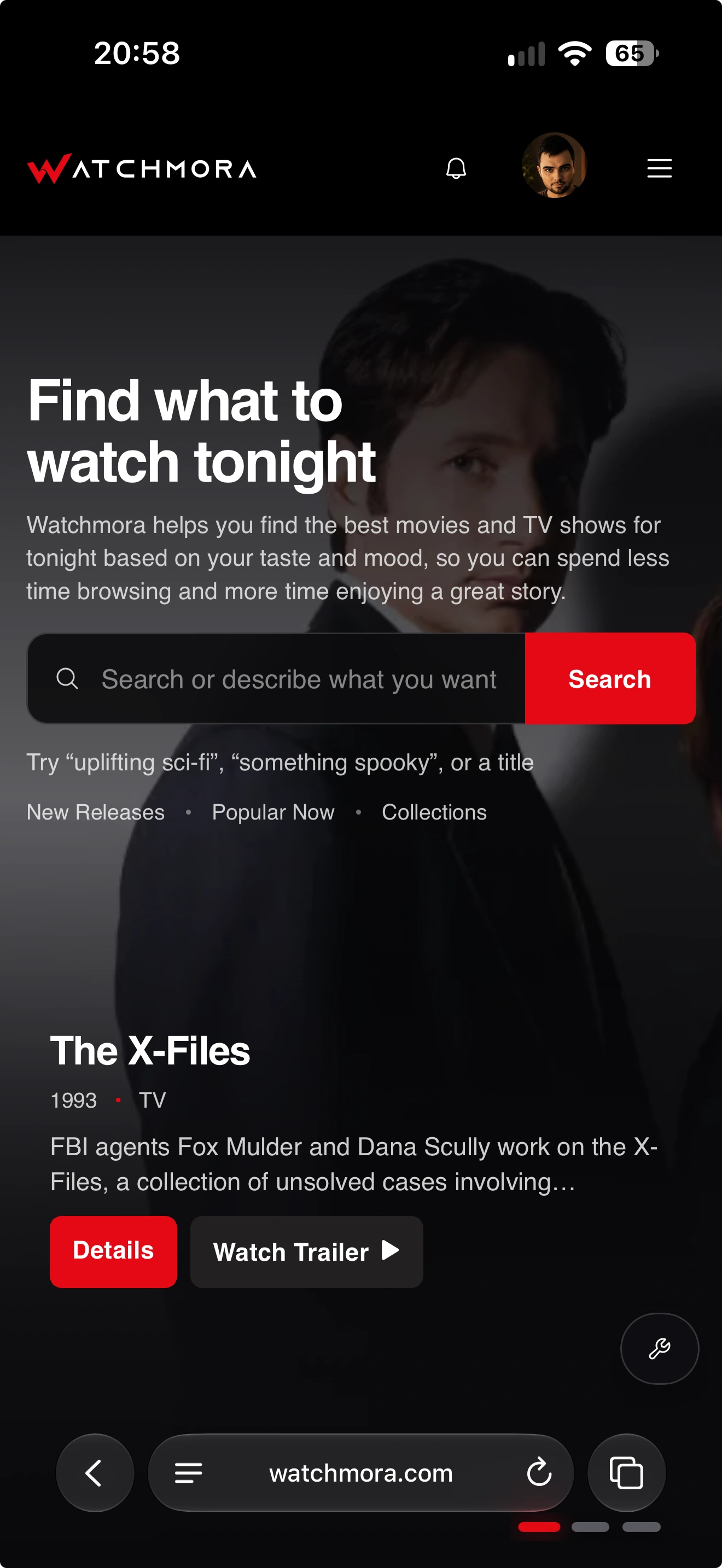
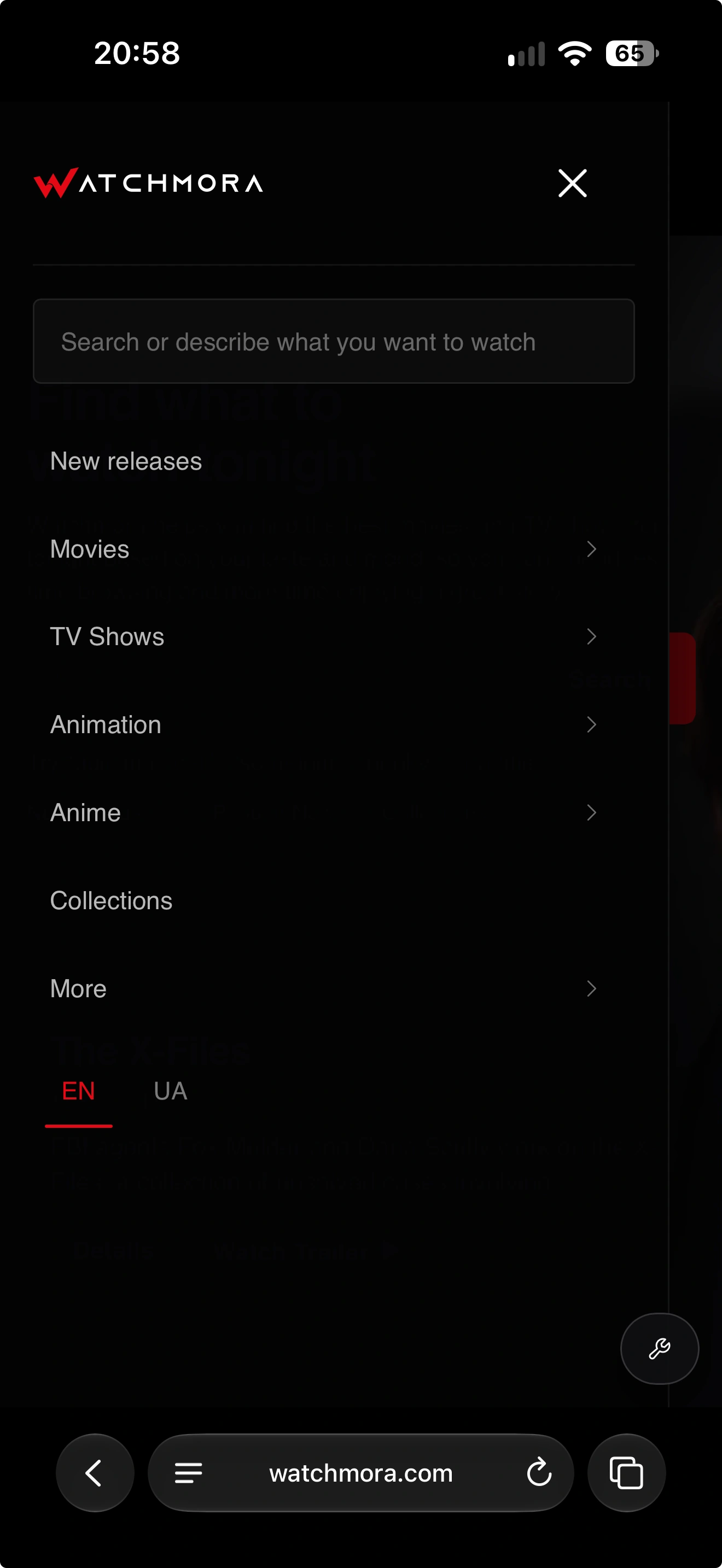
Title pages
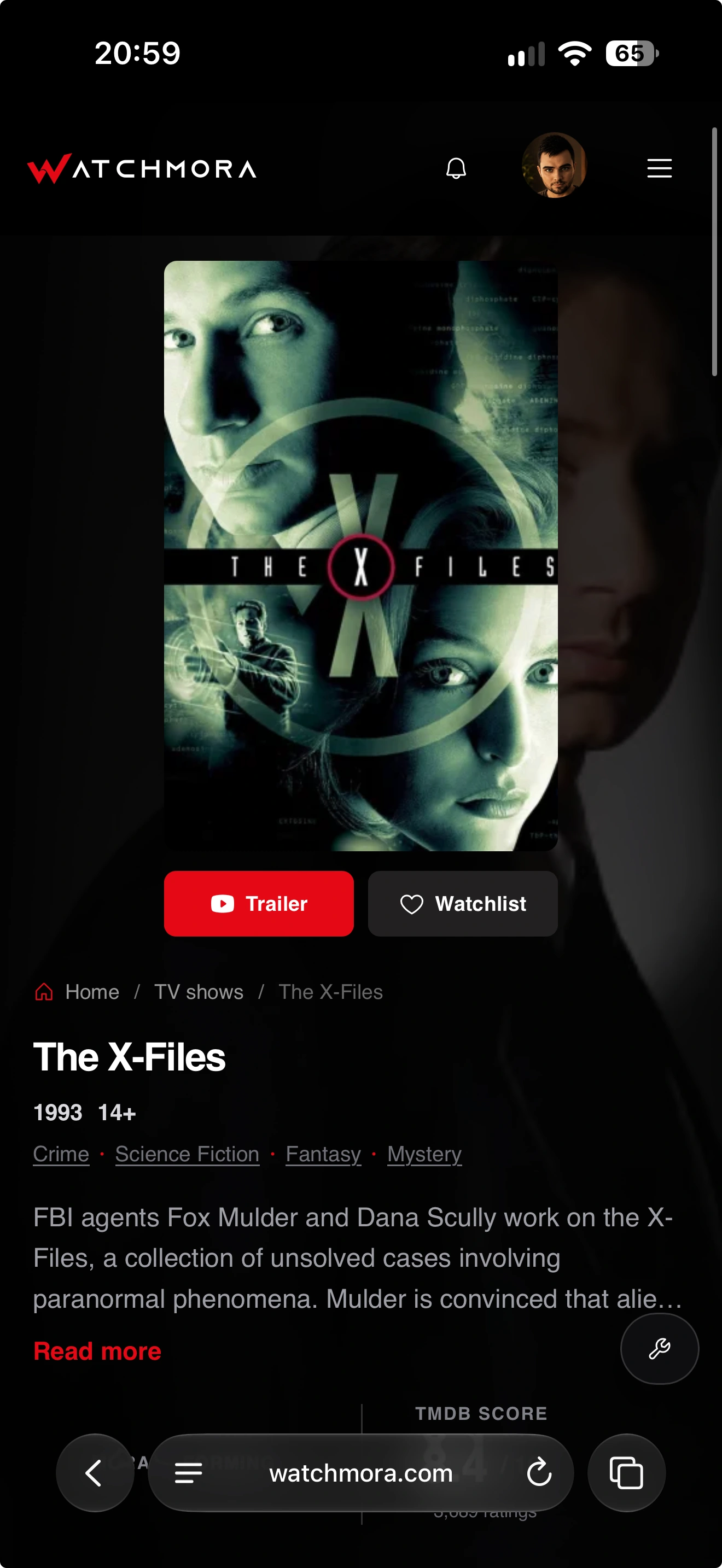
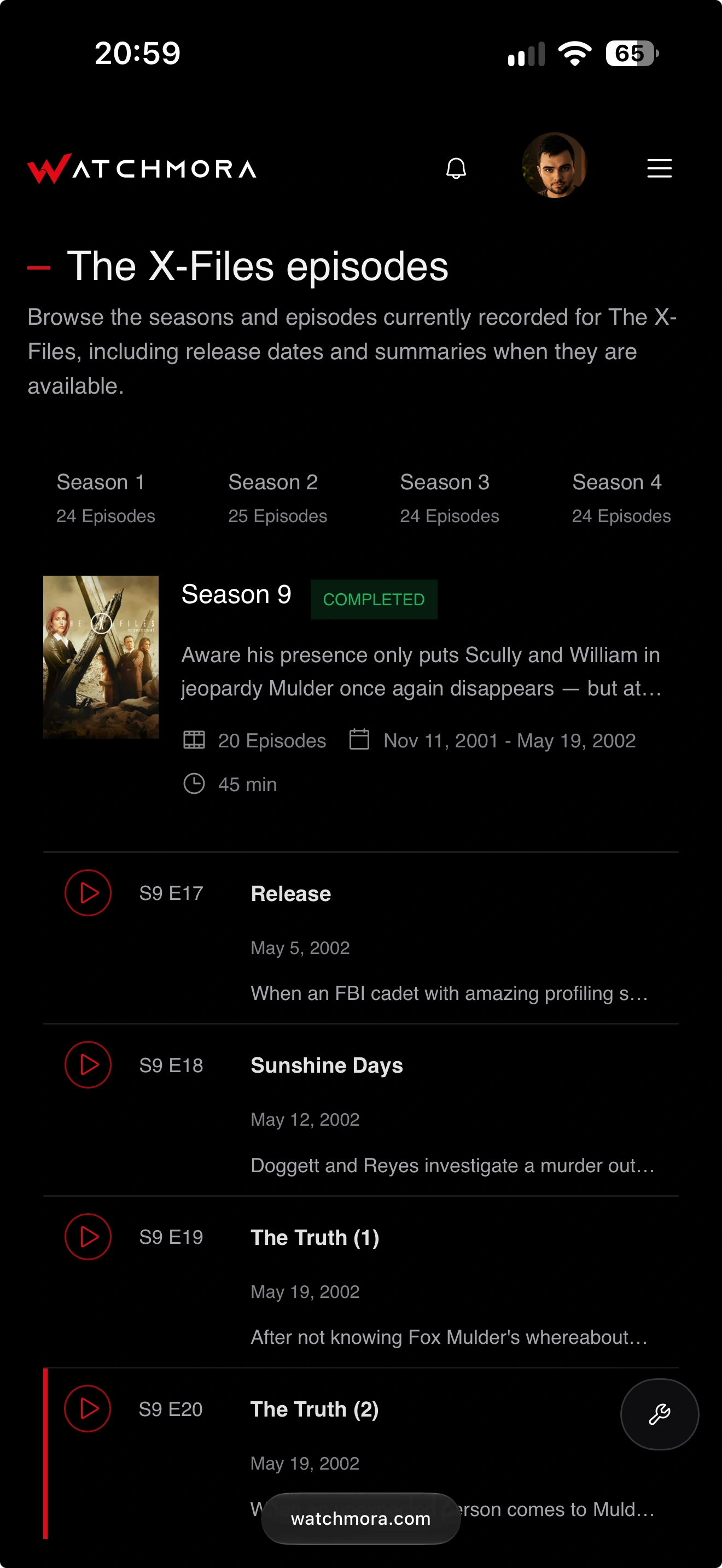
Personalisation
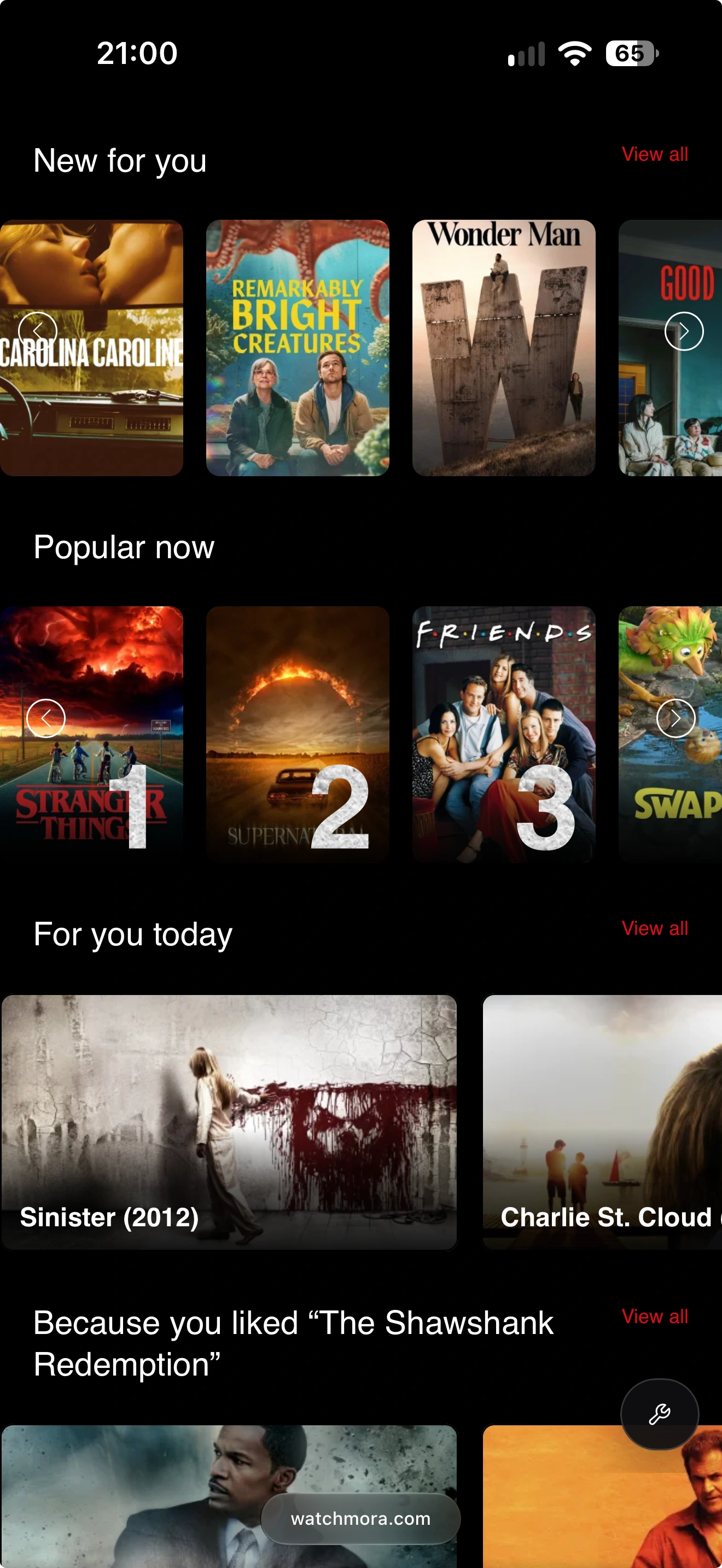
Desktop
Mobile
06 / Difficult decisions
What building Watchmora taught me.
- 01
Recommendation confidence must be earned
A personalised label should reflect the available evidence instead of presenting every result with the same certainty.
- 02
Missing data is a product state
A useful page needs truthful fallback behaviour when providers, credits, images or availability details are incomplete.
- 03
Discovery is broader than search
Collections, editorial paths, title relationships and preference signals solve different questions than a search box.
- 04
Automation needs conservative boundaries
Background imports and enrichment should fail closed when identity, legality or data confidence is unclear.
Next owned product
MatchTide↗